.jpg "water damage ottawa") The Ottawa and Rideau River
The Ottawa and Rideau River
Nestled between the Ottawa and Rideau rivers and surrounded by the Rideau Canal, properties in and around the city are naturally and inevitably exposed to rising water levels. Seasonal flooding is a recurring issue that puts basements, crawl spaces, and even ground-level floors at risk. When heavy rain or spring thaw coincides with already elevated river levels, overland flooding becomes increasingly likely. If your home or business is located near these waterways, investing in sump pumps, ensuring proper grading, and checking on annual waterproofing can make a big difference in prevention. Even with preventative measures in place, water damage in Ottawa can still occur and require the professional attention of a certified team like at Canada’s Restoration Services.
More Frequent Tornadoes
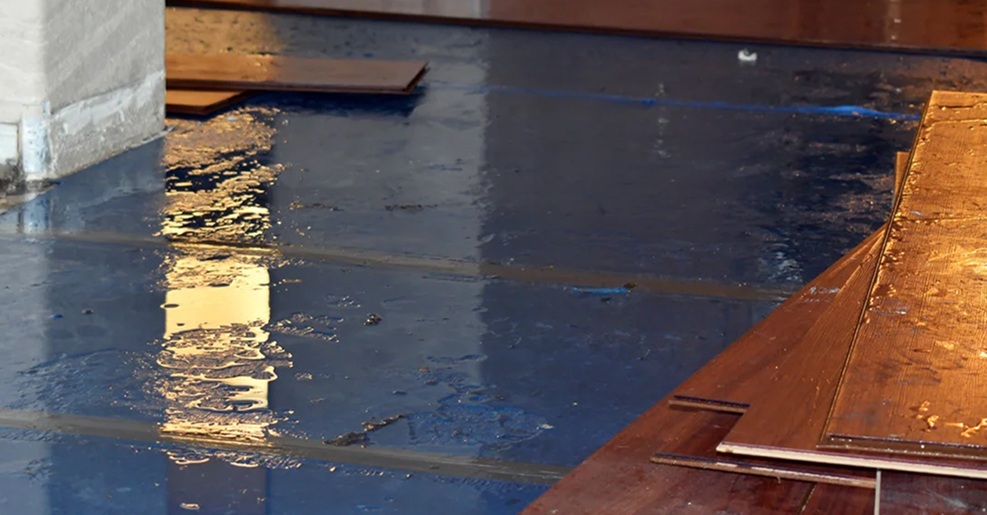
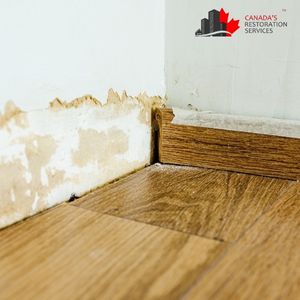
While Ottawa is not traditionally known as a tornado hotspot, in recent years, the region has seen more extreme weather, including tornadoes. These events can rip off roofs, damage windows, and tear down trees, which leaves properties highly vulnerable to leaks and water intrusion during subsequent storms. Even if a tornado does not directly hit your property, the intense rainfall and wind-driven water can expose weak spots in your building envelope. After severe weather, always conduct a thorough inspection to catch early signs of leaks before they escalate into widespread water damage. Look for signs like buckling floors, sagging ceilings, discolouration, bubbling paint, peeling walls, and/or staining, and contact Canada’s Restoration Services for prompt water damage restoration and mold removal in Ottawa.
Cold Winters and Attic Damage
Frigid winters create conditions that increase the likelihood of ice damming. When warm air from inside the house rises and meets the cold roof surface, snow melts and refreezes at the eaves, forming dams that trap water. This trapped water often seeps under shingles and into attics, causing hidden water damage and mold growth. Attic insulation and ventilation play an important role in preventing these problems. Once your attic insulation becomes compromised with leaks and humidity, the chances of mold growth skyrocket, adversely affecting the performance of your attic insulation during the cold winters.
 Français
 English

 Foundation
  Signs You Have
  Contact Us Today For Fast Service at